
Understanding Two-Component Epoxy Adhesives
What are Two-Component Epoxy Adhesives?
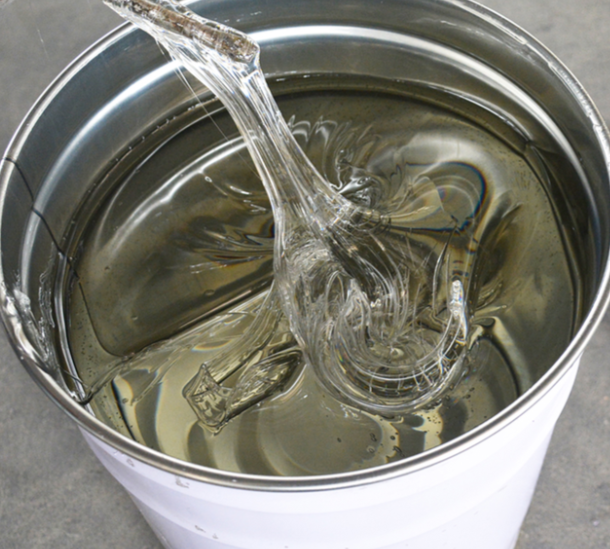
Two-component epoxy adhesives, also known as two-part epoxies or reactive adhesives, are a type of structural adhesive that cures through a chemical reaction between two separate components: a resin and a hardener (or curing agent). Unlike adhesives that dry or cure through the evaporation of solvents or water, two-component epoxies rely on a chemical reaction that occurs when the resin and hardener are mixed. This reaction creates a strong, durable bond capable of withstanding significant mechanical stresses and environmental conditions.
How Do They Work?
The working mechanism of two-component epoxy adhesives can be broken down into a few key steps:
Preparation: The two components—resin and hardener—are stored separately until they are ready to be used. It prevents premature curing and ensures a longer shelf life for the adhesive.
Mixing: When it’s time to use the adhesive, the resin and hardener are mixed in a specific ratio. This ratio must be precise, as the strength and effectiveness of the bond depend on the correct proportions of each component.
Application: Once mixed, the adhesive is applied to the surfaces that need to be bonded. The mixture begins to react and cure almost immediately, so it’s important to work quickly and efficiently.
Curing: The chemical reaction between resin and hardener generates heat (exothermic), causing the mixture to harden and form a strong bond. It can occur at room temperature, but applying heat can speed up the process and improve adhesive properties.
Characteristics of Two-Component Epoxy Adhesives
Two-component epoxy adhesives are known for their impressive range of characteristics, which make them suitable for various applications:
High Strength: These adhesives create incredibly strong bonds that can hold up under significant mechanical stress, making them ideal for structural applications.
Durability: They are highly resistant to environmental factors such as moisture, temperature fluctuations, and chemicals, ensuring long-lasting performance.
Versatility: Epoxy adhesives can be formulated to meet specific requirements, including different curing times, viscosities, and mechanical properties.
Customization: The addition of fillers and additives can modify the properties of the adhesive, making it suitable for a wide range of applications, from flexible to rigid bonds.
Chemical Resistance: Epoxy adhesives are resistant to many chemicals, including acids, alkalis, solvents, and fuels, making them suitable for use in harsh environments.
Thermal Stability: They can withstand a wide range of temperatures, from extreme cold to high heat, without losing their bonding strength.
Applications of Two-Component Epoxy Adhesives
Two-component epoxy adhesives are used in a vast array of industries due to their strength and versatility. For a deeper understanding of epoxy adhesives in general, refer to our previous blog on “Understanding Epoxy Adhesives. Here are some of the most common applications:
Aerospace
In the aerospace industry, the reliability and strength of adhesive bonds are paramount. Two-component epoxies are used to bond structural components, composites, and various materials in aircraft. Their resistance to extreme temperatures and environmental conditions makes them ideal for this high-stakes field.
Automotive and Transport
The automotive industry relies on two-component epoxy adhesives to assemble vehicles, including cars, trucks, and railway vehicles. These adhesives bond metals, composites, and other materials, providing strong, durable joints that can withstand the stresses of everyday use and harsh environments.
Construction
These adhesives bond materials such as concrete, metal, glass, and wood. They are particularly useful in prefabricated construction elements, doors, gates, and structural components where high-strength bonds are required.
Electronics
Two-component epoxy adhesives are widely used in the electronics industry for potting, encapsulating, and bonding electronic components. Their excellent electrical insulation properties and resistance to environmental factors make them ideal for protecting sensitive electronics.
Medical Devices
The medical field demands adhesives that are not only strong and durable but also safe for use in medical environments. Two-component epoxies are used to assemble and bond medical devices, ensuring they can withstand repeated use and sterilization processes.
Marine
In marine applications, the adhesive’s resistance to water and chemicals is crucial. Two-component epoxies are used to bond and seal various components in boats and ships, ensuring long-lasting performance even in harsh marine environments.
Household Appliances
From washing machines to refrigerators, household appliances require strong, durable bonds to function correctly. Two-component epoxy adhesives are used to assemble and bond various components, ensuring the appliances can withstand daily wear and tear.